Swimming in Lake Lucerne: the public baths, the real temperatures and where locals actually go
I didn’t plan to swim the first time. I was walking the promenade near Nationalquai on a hot June evening, everyone else seemed to be doing it, and there was a steel ladder right there in the water. That’s basically the whole culture of swimming in Lake Lucerne: no sign-up, no ceremony, just a ladder and a lake that happens to be extremely clean.
The public baths, and the parts that aren’t official baths at all
Lucerne doesn’t gate its lake off the way some cities do. The closest thing to a proper facility is Strandbad Lido, on Alpenquai a fifteen-minute walk from the station: a fenced lawn, a diving platform, changing cabins, showers and a kiosk, open roughly May to September with adult entry around CHF 8. It’s the spot if you want a whole afternoon, sun loungers included, and it gets busy on the first hot weekend of the year.
Then there’s everything that isn’t a lido but works just as well. Ufschötti, the lakeside meadow right next to the KKL concert hall, is where most locals actually go: free, grassy, with metal ladders into the water and a good view back at Mount Pilatus. Nationalquai, closer to the old town, has similar access points and is where I ended up that first evening. Neither has lifeguards, changing rooms, or opening hours — you just turn up.
Outside the city, the shore between Weggis and Vitznau has a public lido of its own, plus several unmarked pebble entries along the lakeside path where the water is noticeably clearer than in town, since there’s less boat traffic. If you’re heading toward Küssnacht or Brunnen, ask locally about small bays past the marked paths — I’ve been shown two by people I met on the train, and neither appears on any map I’ve found.
Real water temperatures, month by month
Lake Lucerne is deep and fed by cold alpine and glacial water, so it never gets as warm as a shallow lake, and it cools fast once autumn arrives. These are the ranges I’ve measured or been told by locals over several seasons, not a single official reading, so treat them as a guide rather than a forecast.
| Month | Approximate water temperature | Worth swimming? |
|---|---|---|
| January | 5-6°C | No, unless you’re doing organised winter bathing |
| February | 5°C | No |
| March | 6-8°C | Only very briefly, bracing |
| April | 9-11°C | Short dips only |
| May | 13-15°C | Getting swimmable on warm days |
| June | 17-19°C | Good |
| July | 20-22°C | Best month |
| August | 21-23°C | Best month |
| September | 17-19°C | Still good early in the month |
| October | 13-15°C | Short swims, cold on exit |
| November | 8-10°C | No, unless you’re used to it |
| December | 6-7°C | No |
For context on air temperatures and rainfall alongside these numbers, the month-by-month weather guide and the best time to visit page cover the rest of the picture.
What the water actually feels like
Even in August, Lake Lucerne is never warm-bath water. It’s refreshing rather than tepid, and the first thirty seconds after getting in are genuinely cold — your body adjusts within a minute or two. Because it’s deep close to shore in most places, don’t expect a gently shelving beach; a few steps in and you’re often out of your depth, which locals treat as normal but catches some visitors off guard. If you’re swimming with kids, Ufschötti’s shallower stretch near the ladders and the fenced lido are the safer bets over the open promenade edges — more on that in the guide to Lucerne with kids.
Getting out on the water instead of just in it
Some of the best swimming spots I know aren’t reachable on foot at all. A morning on a
private luxury boat cruise on Lake Lucerne gets you to quiet bays past Weggis and Vitznau where the water is clearer and there’s nobody else around — the boat anchors, you jump off the back, and you swim in water that never sees a public path. If you’d rather cover distance yourself, an
e-bike tour combining the lakeside path with a short cruise is how I found the Küssnacht bay I mentioned earlier — you can stop wherever the shore looks empty and swim, then ride on.
If swimming isn’t really the point and you just want to be near the water from above, the
guided cliff path walk above the lake gives you the view down onto the water from Bürgenstock without getting wet at all — a good option on a day the lake is too cold or too choppy to bother.
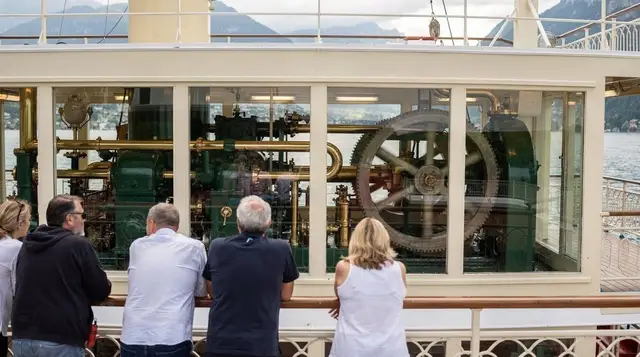
For the paddle steamer’s-eye view of where all this bathing happens, the Lake Lucerne boat trips guide and the kayak and paddleboard guide both cover routes past the same bays I swim in. Cyclists have their own version of this in the cycling and e-bike guide around the lake.
Practical notes before you get in
Bring your own towel; none of the free spots rent them, and even Strandbad Lido’s rental stock is limited on busy days. Showers exist at the lido but not at Ufschötti or Nationalquai, so plan to dry off in the sun or walk back damp, which is what most locals do. Watch for paddle steamer wake near the docks and the marked shipping lanes further out — swim parallel to shore, not across the lake, and give boats a wide berth. Alcohol and swimming don’t mix any better here than anywhere else, and the lake’s cold snaps below the surface even on hot days can catch out anyone who’s been drinking.
None of this needs planning ahead. If it’s a warm afternoon and you’re anywhere along the Lucerne shore, you can be in the water within ten minutes — that’s still the best thing about swimming here. For a quieter version of the same shoreline once the day-trippers have gone home, I wrote separately about the quiet shore of Lake Lucerne, which covers the evening version of everything above.
Lake cruises & boat tours on GetYourGuide
Verified deep-linked GetYourGuide tours. Book through these links and we earn a small commission at no cost to you.
GetYourGuide does not provide a product photo for this activity — the image shows the meeting point, photographed by us.